
Prefab ADUs in California: The Complete Guide for Homeowners

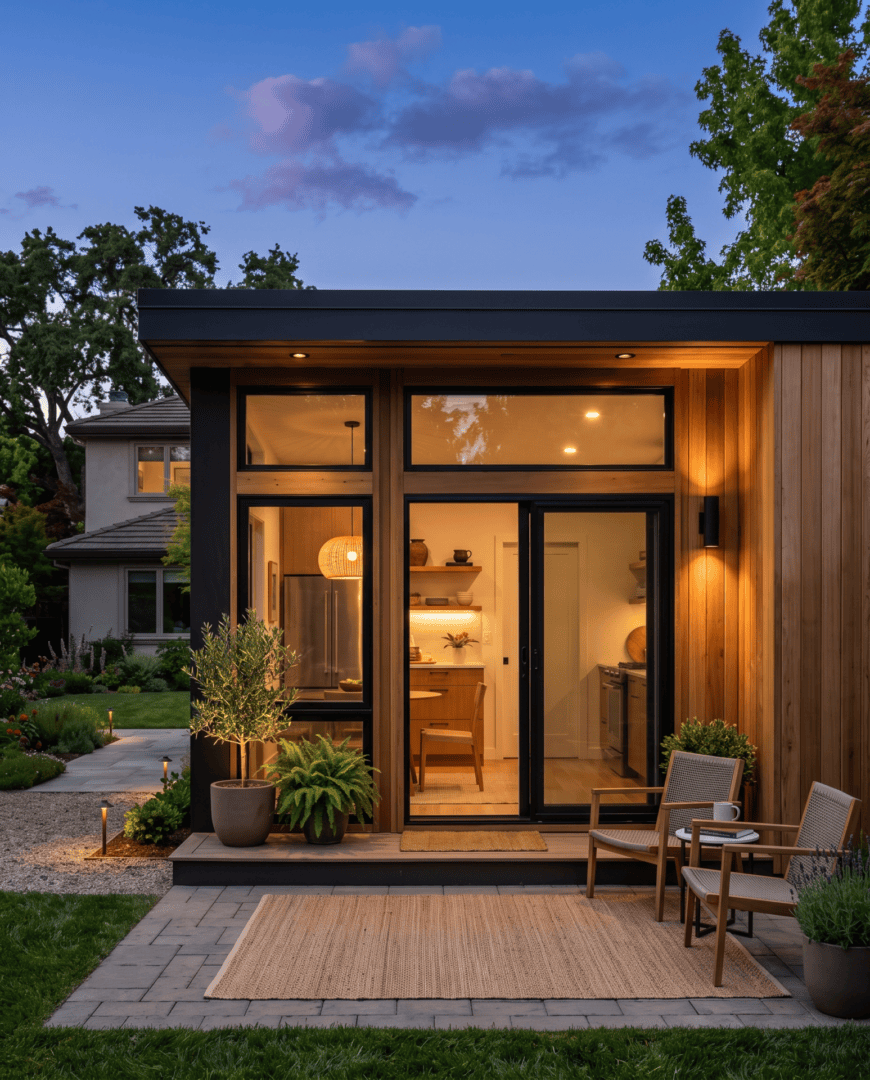
California homeowners are adding backyard homes faster than ever, and prefab ADUs are the quickest way to do it. A prefab ADU (accessory dwelling unit) is a second home on your lot, built from parts made in a controlled factory setting and then assembled on your property. This guide covers what a prefab ADU is, what California law allows, what it costs, and how long it takes.
What is a prefab ADU?
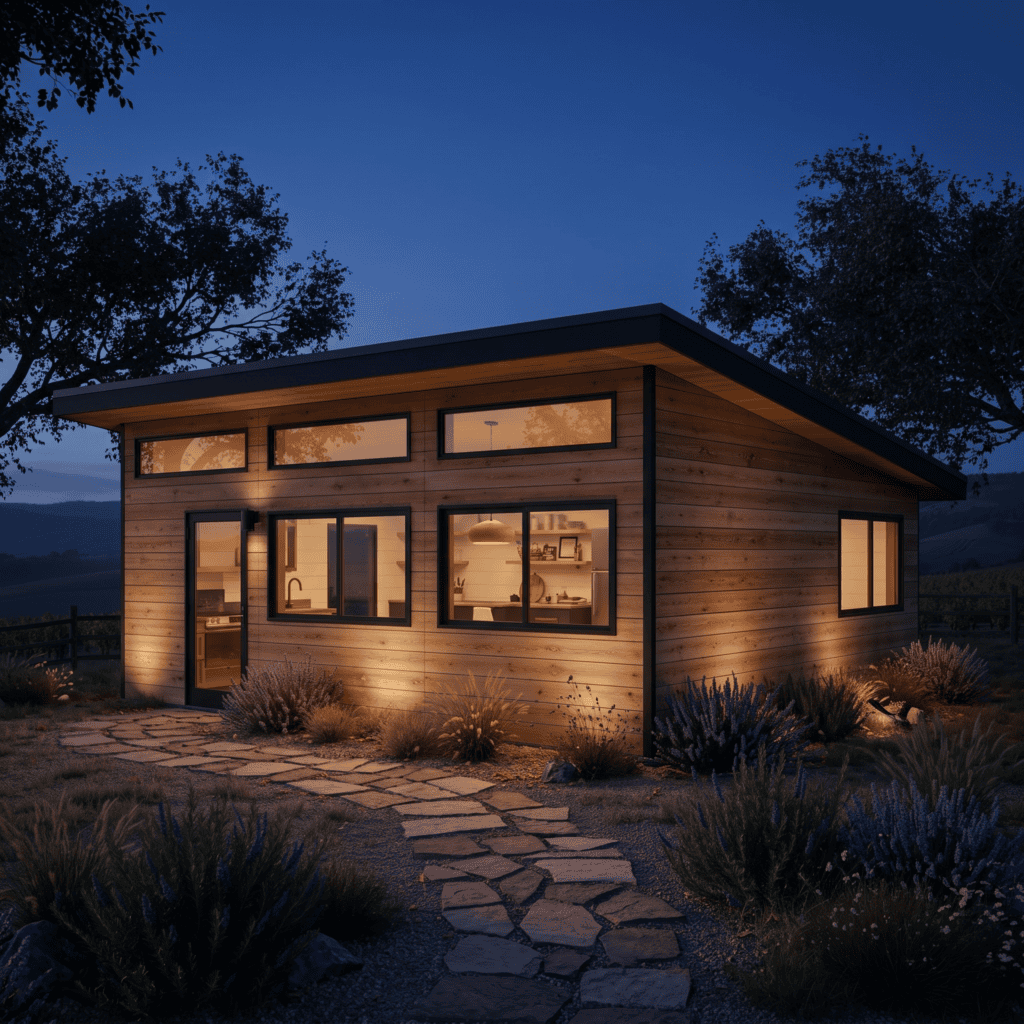
An ADU is a complete, independent living space on the same lot as your main house. It has its own entrance, kitchen, bathroom and sleeping area. People also call it a granny flat, in-law unit, guest house or backyard cottage.
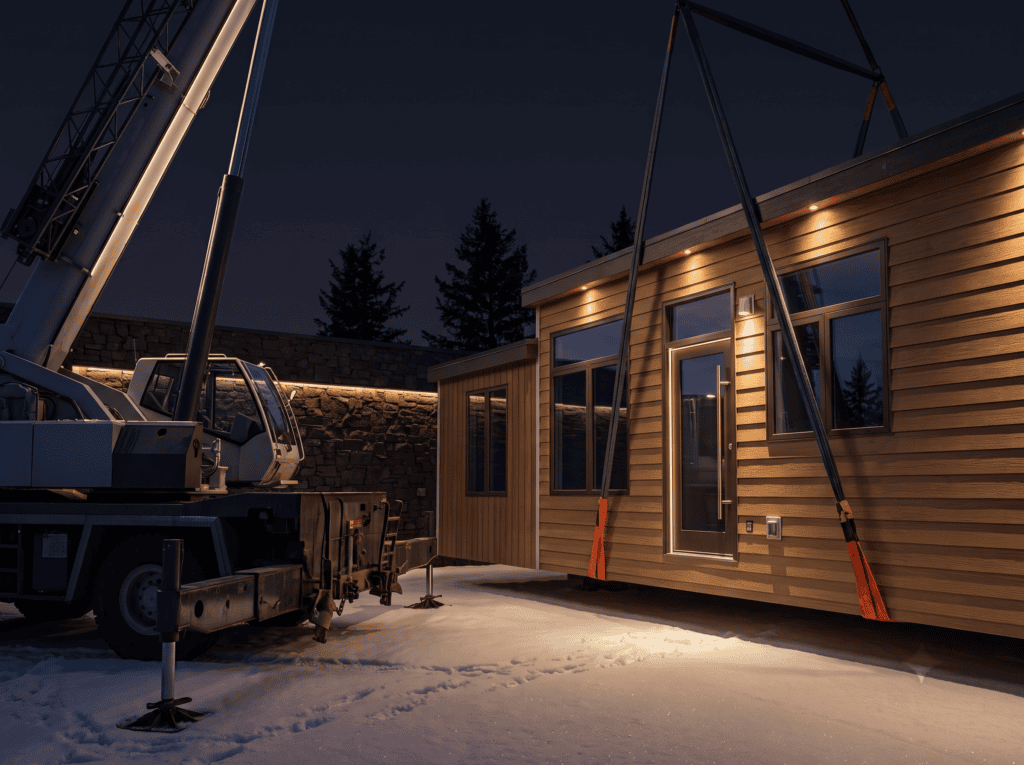
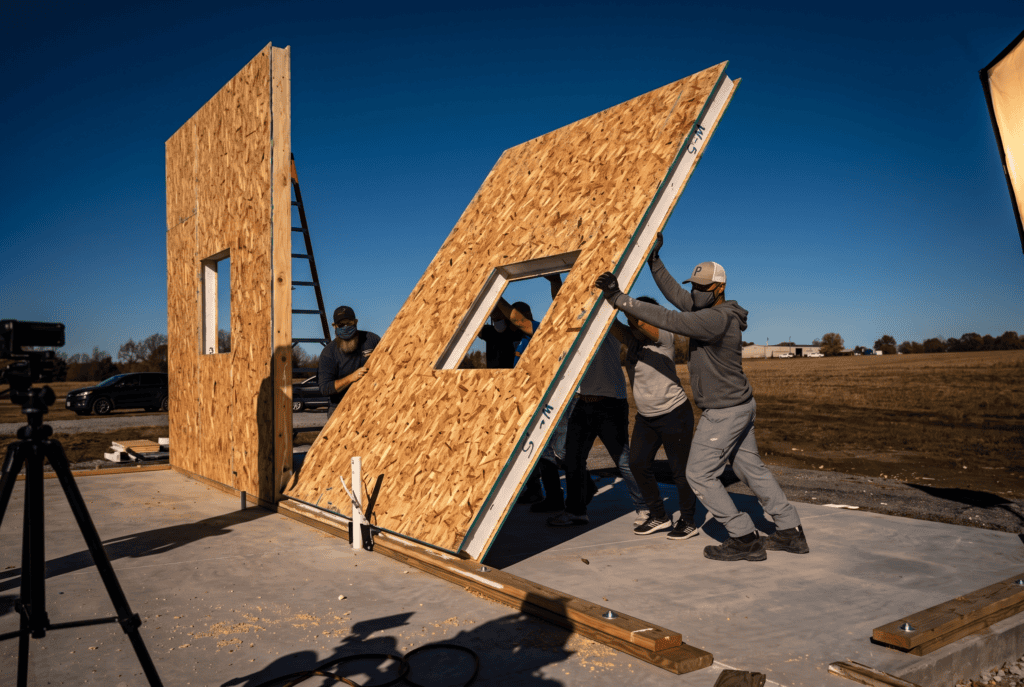
“Prefab” means the main parts are made off-site. At Struxa we build with Structural Insulated Panels (SIPs): strong, factory-cut wall and roof panels with insulation built into the core. Because the panels arrive ready to assemble, the structure goes up in days instead of weeks. Read more in our guide What Are SIPs Panels?
Why California homeowners are choosing prefab ADUs
- Speed. A turnkey prefab ADU can be move-in ready in 1 to 3 months, compared with a year or more for many traditional builds.
- Fewer surprises. Panels are made to exact measurements, which means less waste, fewer change orders and a clearer budget.
- Energy efficiency. SIPs create a tight, well-insulated shell that keeps heating and cooling bills low through hot inland summers and cool coastal nights.
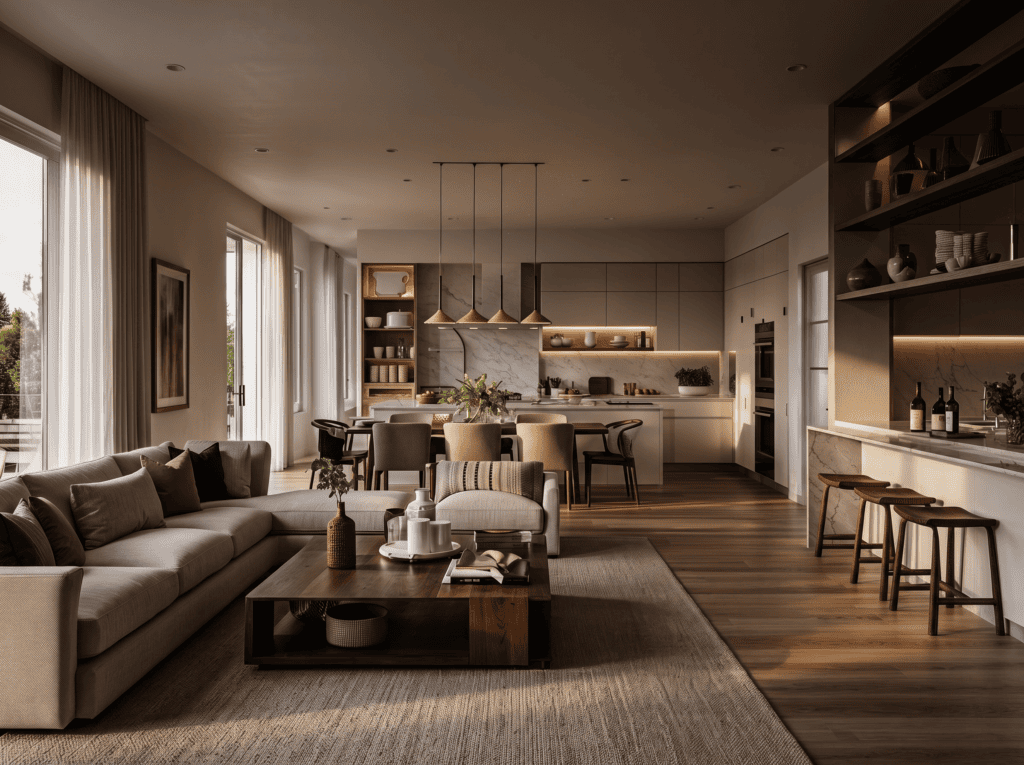
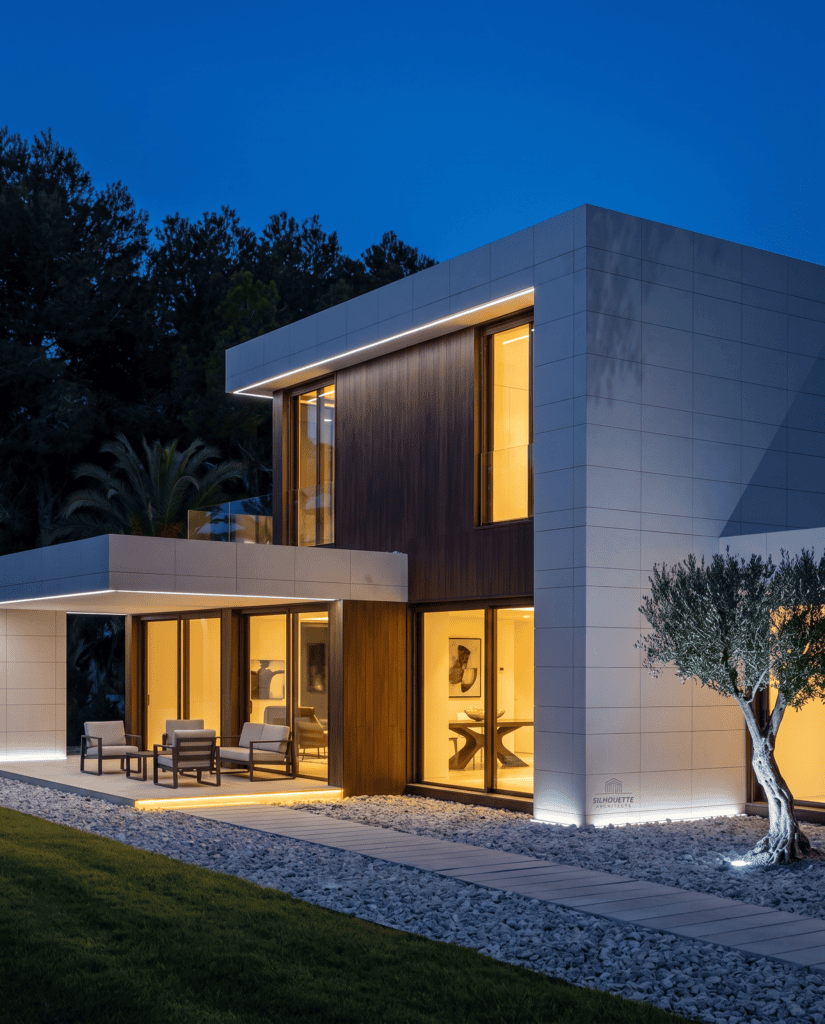
- Design. Modern prefab is not a box. Large windows, clean lines and high-end finishes are all on the table.
- Value. An ADU can earn rental income, house family, or add to your property’s resale value.
What California law allows
California has some of the most ADU-friendly laws in the country. State law sets the baseline, and cities cannot make it stricter. Highlights as of 2026:
- Cities must approve or deny a complete ADU application within 60 days.
- ADUs of 750 sq ft or less pay no development impact fees.
- Side and rear setbacks can be no more than 4 feet for most ADUs.
- There is no minimum lot size and no owner-occupancy requirement for ADUs.
- Many lots can have a detached ADU, a converted ADU and a junior ADU (JADU) at the same time.
Local details still matter: height limits, fire zones, coastal zones and utility connections vary by city. Our step-by-step guide to ADU permits in California walks through the process.
How much does a prefab ADU cost in California?
The honest answer is “it depends” on size, finishes and site conditions. The biggest variables are foundation work, utility runs from the main house, and how much your lot slopes. A turnkey price, where one company handles design, permits, site prep, building and utility hookups, is the only way to compare quotes fairly. We break the numbers down in How Much Does a Prefab ADU Cost in California?
How long does it take?
With a turnkey builder, most of the waiting is on paperwork, not construction. A typical Struxa project runs: design and site visit, permit submission, site prep and foundation, panel installation, then finishes and utility hookups. Keys are usually handed over within 1 to 3 months. See the week-by-week breakdown in How Long Does It Take to Build an ADU in California?
Choosing the right package
Struxa offers four turnkey packages so you can match the build to your goals:
- The Signature Package — our foundational standard for a modern, beautifully built home.
- The Luxury Edition — elevated finishes and high-end upgrades throughout.
- The Universal Package — ADA-compliant and designed for accessibility and aging in place. See ADA-compliant ADUs.
- The Bespoke Custom Package — a fully personalized home designed around your vision.
Frequently asked questions
Do I need a permit for a prefab ADU in California? Yes. A prefab ADU is a permanent home and needs a building permit like any other ADU. A turnkey builder like Struxa handles the permit application for you.
Can I rent out my ADU? Yes. California allows ADUs to be rented, though rentals must be longer than 30 days. Many owners use the income to pay down the build. See Is an ADU a Good Investment in California?
Is a prefab ADU as strong as a traditional build? A SIPs ADU is engineered to meet California building codes, including seismic requirements. SIPs panels are strong and rigid, which is why they are used for walls and roofs alike.
What is the difference between prefab and modular? Modular homes arrive as finished boxes. Panelized prefab, like SIPs, arrives as precise wall and roof panels assembled on site, which gives more freedom in design and works better on tight backyard access.
Ready to add a home to your property?
Struxa is a fully licensed and insured builder delivering turnkey prefab homes and ADUs across California. We handle the permits, the site prep, the installation and the utility hookups, and hand you the keys in months, not years.


One thought on “Prefab ADUs in California: The Complete Guide for Homeowners”